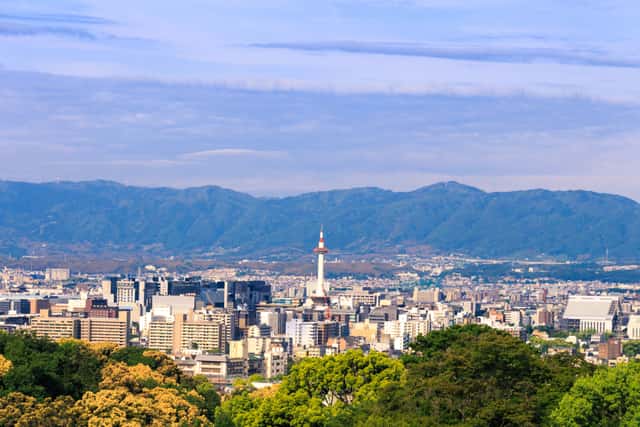
Kyoto Japan
Things to do in Kyoto in July 2026
By Tripnostic Research · Updated June 3, 2026
For Kyoto in July 2026, build the day around dated events, seasonal conditions, venue hours, and booking windows. Dated picks to verify first include Gion Matsuri and Gion Matsuri Yoiyama Evenings. Check the event list and public holidays below before assigning fixed dates.

30% off on flights
Plan your Kyoto trip here. Your promo code unlocks on the checked trip page after this short planner.
Kyoto in July 2026
Weather
Temperature
90°F / 74°F
32°C / 23.6°C
Precipitation
13d
8.9in · 225mm
Daylight
14.1h
July is hot, humid, and wet, with Gion Matsuri crowds making central buses and hotel locations important.
Events & festivals
- Jul 1 – Jul 31
Gion Matsuri
Gion Matsuri (祇園祭, July 17) Many Mikoshi are paraded through the streets
Source: Month Signals
- Jul 14 – Jul 16
Gion Matsuri Yoiyama Evenings
Evening events featuring illuminated floats, street food stalls, and traditional performances leading up to the main procession. — No tickets required; expect large crowds and limited parking.
Source: festival research
- Jul 16
Gion Matsuri Hoko-iri Ceremony
A traditional ceremony where the sacred mikoshi floats are brought out and displayed before the main parade. — Open to the public; best viewed from designated areas.
Source: festival research
- Jul 17
Gion Matsuri Yamaboko Junko (Grand Procession of Floats)
The grand procession of elaborately decorated floats parading through the streets of Kyoto as the highlight of the Gion Matsuri festival. — Arrive early for good viewing spots; some areas may require advance tickets or reservations.
Source: festival research
Public holidays
- Jul 20Marine Day
Planning checklist
- 1Check the 4 dated Kyoto events for anything that overlaps your exact July dates before assigning fixed sightseeing days.
- 2Hold flexible plans around the 1 public holiday in Japan; museums, markets, and government-run sights can switch hours.
- 3Group each Kyoto day by nearby neighborhoods, then validate the saved places against your trip dates before exporting the checked route to Google Maps.
Build your Kyoto plan for July
Start fresh — type or paste places you're considering — and Tripnostic checks every one against your July dates: opening hours, closures, what needs booking ahead, and which Kyoto events overlap your trip. Already have a list from a friend or an AI itinerary? Paste it and we'll check that too.
Build my Kyoto planAbout Kyoto
City overview
Kyoto sits in a mountain basin in Kansai, with the Kamo River, Higashiyama slopes, Arashiyama hills, and an 794 grid plan shaping temple routes across the former imperial capital. Gion and Higashiyama carry the geisha lanes and hillside temples, Arashiyama holds river-and-bamboo scenery, and Central Kyoto links Kyoto Station, Nijo Castle, Nishiki Market, and the Imperial Palace.
Food & drink
Kyoto food is seasonal and temple-adjacent: kaiseki sequences small courses around season and vessel, shojin ryori is Buddhist vegetarian temple cooking, yudofu near Nanzen-ji turns simmered tofu into the main event, and yuba brings tofu skin into soups and set meals. Nishiki Market, Pontocho, Kiyamachi, Kyoto Station ramen floors, Gion restaurants, Fushimi sake streets, and Uji stops add hamo, matcha sweets, yatsuhashi, and sake tastings.
Top sights
Ranked for July suitability using weather, setting, ratings, and review volume.
- ASanjusangen-do
- BKiyomizu-dera
- CFushimi Inari Taisha
- DKinkaku-ji
- EGinkaku-ji and the Philosopher Path
- FRyoan-ji
- GKyoto Imperial Palace and Kyoto Gyoen
- HNijo Castle
- INishiki Market
- JArashiyama Bamboo Grove and Tenryu-ji
 1
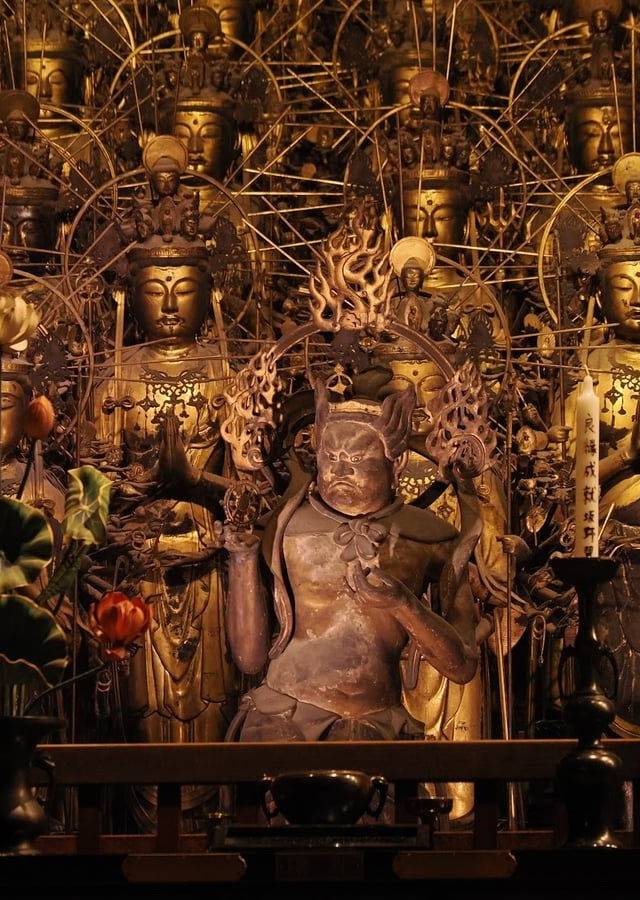
1Sanjusangen-do
4.7★ · 16,859indoorOpen dailyThe long temple hall near Shichijo holds 1,001 images of Kannon in a single dramatic interior. It works well with Kyoto National Museum and routes between Kyoto Station and Higashiyama.
Wikipedia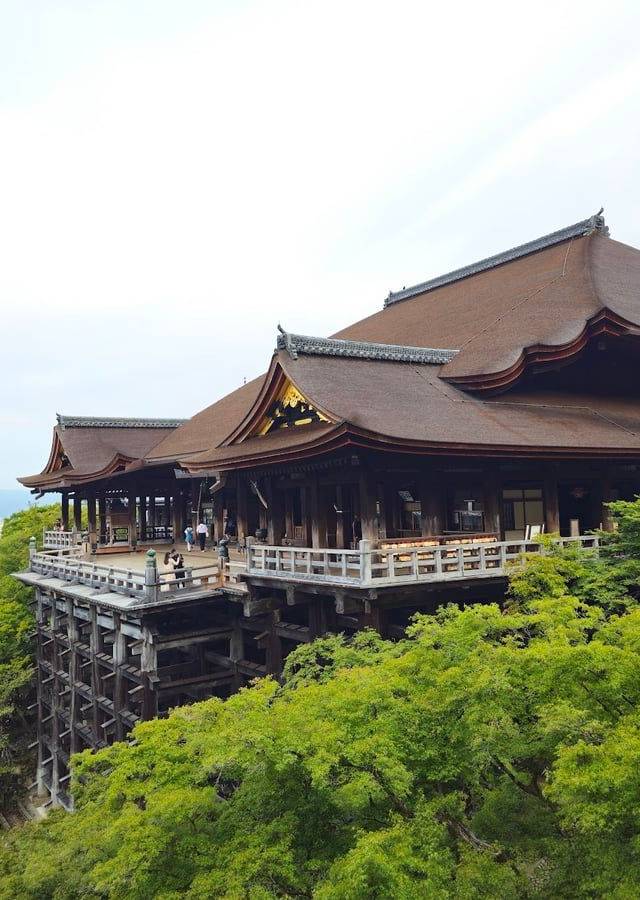 2
2Kiyomizu-dera
4.6★ · 69,350indoorOpen dailyThe Higashiyama temple is famous for its large wooden stage above the hillside and the approach streets of Sannenzaka and Ninenzaka. It is one of the Historic Monuments of Ancient Kyoto in the UNESCO listing.
WikipediaArrive near opening or late afternoon; the Higashiyama approach lanes bottleneck during cherry blossom and autumn color weeks.
 3
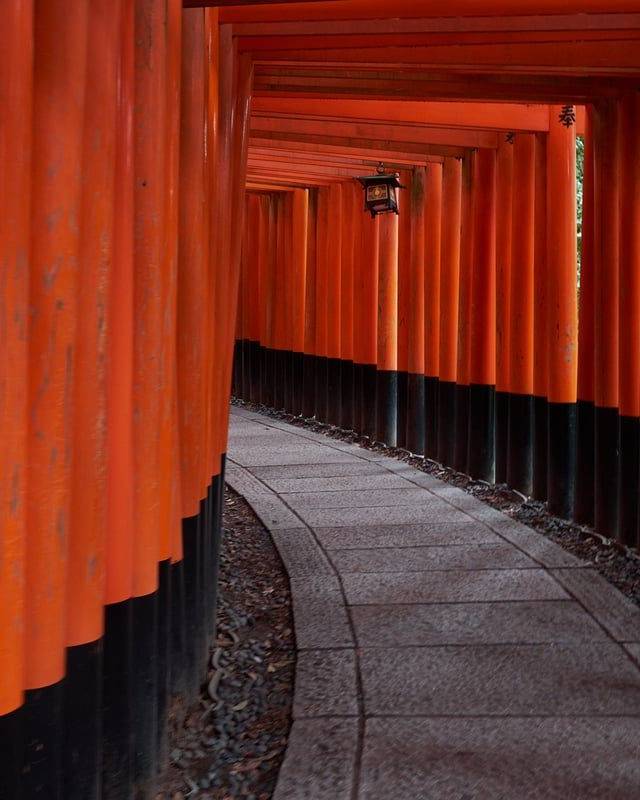
3Fushimi Inari Taisha
4.6★ · 87,888indoorOpen dailyThousands of vermilion torii gates climb Mount Inari from the shrine beside JR Inari station. The full mountain loop takes far longer than the first photo corridor and thins out above the lower shrines.
Wikipedia
Show 7 more sights
- 4Kinkaku-ji
- 5Ginkaku-ji and the Philosopher Path
- 6Ryoan-ji
- 7Kyoto Imperial Palace and Kyoto Gyoen
- 8Nijo Castle
- 9Nishiki Market
- 10Arashiyama Bamboo Grove and Tenryu-ji
Neighborhoods
 1
1Gion and Higashiyama
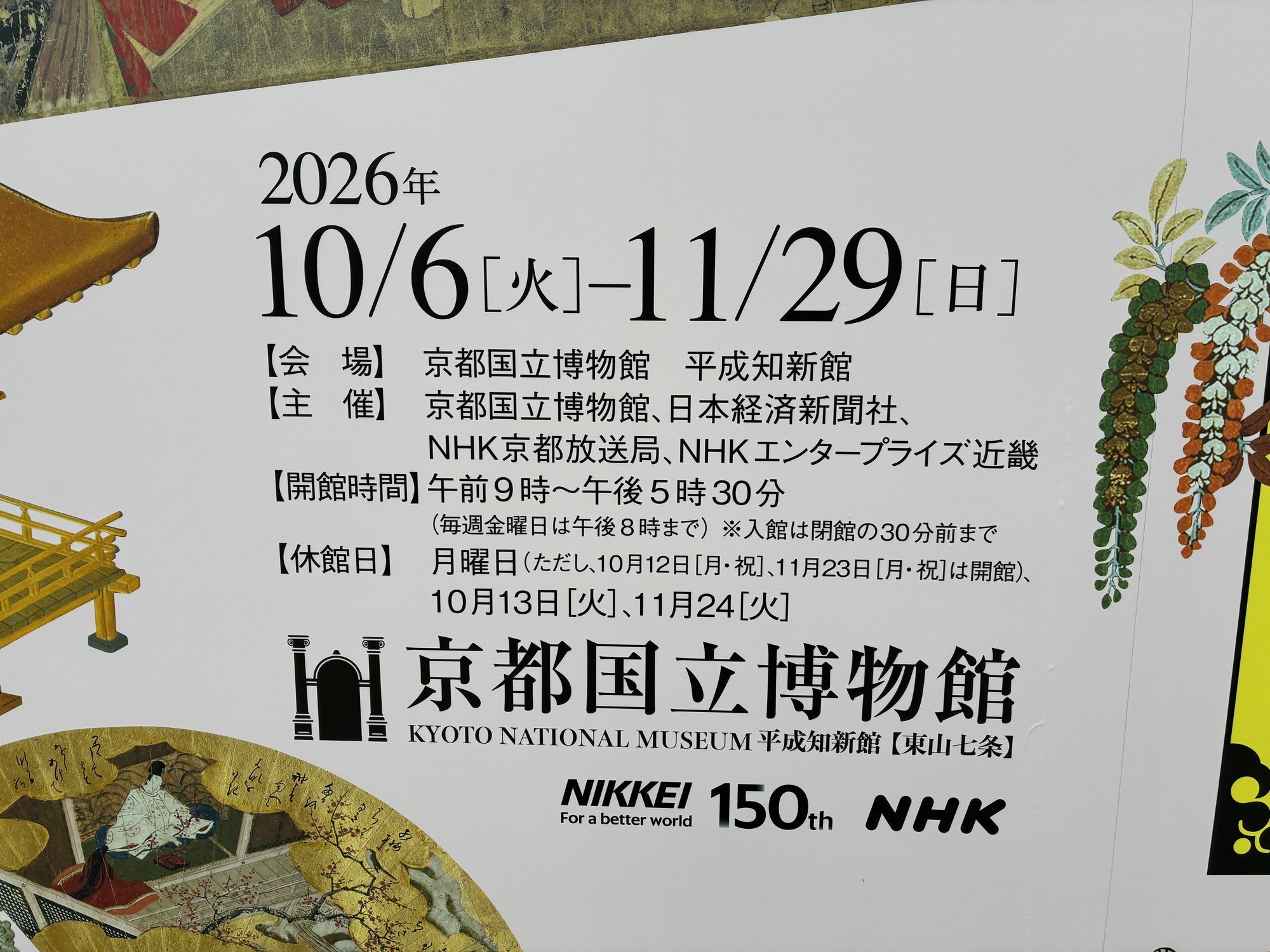
Gion and Higashiyama are Kyoto lanes and slopes, with Hanami-koji, Yasaka Shrine, Kiyomizu-dera, Sannenzaka, Ninenzaka, teahouses, and heavy evening foot traffic.
 2
2Downtown Kyoto and Nishiki
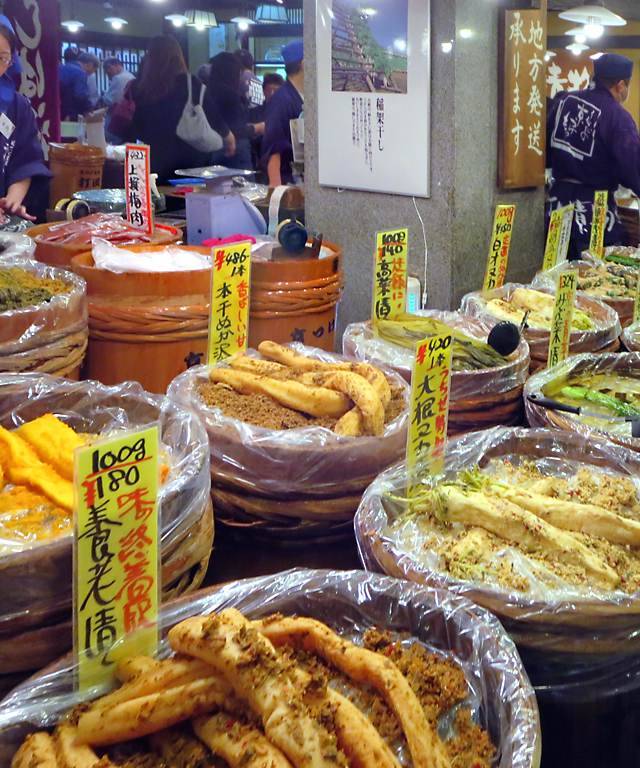
Downtown centers on Shijo-Kawaramachi, Nishiki Market, Teramachi, Shinkyogoku, Pontocho, Kiyamachi, and the Kamo River dining terraces.
 3
3Arashiyama and Sagano
Arashiyama and Sagano feel greener and slower, with bamboo groves, Tenryu-ji, Togetsukyo Bridge, riverboats, monkey park climbs, and temple lanes.
 4
4Northern Kyoto
Northern Kyoto collects Kinkaku-ji, Ryoan-ji, Ninna-ji, Kamigamo Shrine, Shimogamo Shrine, university edges, and quieter residential streets.
 5
5Central Kyoto and Kyoto Station
Central Kyoto includes Kyoto Station, Nijo Castle, Kyoto Gyoen, the Imperial Palace, Nishi Hongan-ji, business hotels, and bus hubs.
 6
6Fushimi and Southern Kyoto
Fushimi and southern Kyoto add Fushimi Inari, sake breweries, Tofuku-ji, Daigo-ji, and rail links toward Uji and Nara.
Day trips
45km / about 45-60min by JR Nara Line or Kintetsu from Kyoto
Nara
Nara adds Todai-ji, Kasuga Taisha, Nara Park deer, and an older-capital frame. It is the most efficient temple-and-history day from Kyoto.
17km / about 20-30min by JR Nara Line from Kyoto station
Uji
Uji is known for matcha and Byodo-in, with the Nintendo Museum also in the area. The riverfront makes it a light half-day rather than a full-city transfer.
12km / about 10min by JR train from Kyoto to Otsu
Lake Biwa and Otsu
Otsu and Lake Biwa give water views, temples, and summer beaches beyond the Kyoto basin. Mount Hiei routes connect the lake side with Buddhist history above the city.
Getting around
Use ICOCA on JR, Keihan, Hankyu, Kyoto Subway, city buses, Randen, and most regional rail; Kyoto Station, Shijo-Kawaramachi, Sanjo Keihan, and Kitaoji are the useful transfer points. Buses reach Kinkaku-ji and many northwestern temples, Keihan is best for Gion-Fushimi Inari, Hankyu helps Arashiyama, and bicycles work well in the central grid outside peak crowds.
Common questions about Kyoto in July
- Will the places on my list be open when I'm in Kyoto in July?
- Not always. Opening days and hours vary by weekday, season, and holiday. Paste your Kyoto list into Tripnostic and it checks every place against the exact dates you're there, flagging closures before the trip instead of at a locked door.
- How do I plan Kyoto days without crossing the city twice?
- Tripnostic groups your places by neighborhood so each day stays in one or two areas instead of zig-zagging. It also flags what needs booking ahead, so timed tickets and reservations don't fall through.
- Best rainy-day things to do in Kyoto in July
July averages 13 rainy days in Kyoto, so keep these indoor stops as realistic backups.
- Sanjusangen-do — The long temple hall near Shichijo holds 1,001 images of Kannon in a single dramatic interior. It works well with Kyoto National Museum and routes between Kyoto Station and Higashiyama.
- Kiyomizu-dera — The Higashiyama temple is famous for its large wooden stage above the hillside and the approach streets of Sannenzaka and Ninenzaka. It is one of the Historic Monuments of Ancient Kyoto in the UNESCO listing.
- Fushimi Inari Taisha — Thousands of vermilion torii gates climb Mount Inari from the shrine beside JR Inari station. The full mountain loop takes far longer than the first photo corridor and thins out above the lower shrines.
- Kinkaku-ji — The Golden Pavilion in northern Kyoto reflects across its pond as one of the city best-known temple images. It sits in a temple-rich northern district with Ryoan-ji and Ninna-ji nearby.
- Ginkaku-ji and the Philosopher Path — Ginkaku-ji, the Silver Pavilion, anchors the northern end of the Higashiyama walking route. The Philosopher Path follows a canal south toward Nanzen-ji and is strongest in cherry blossom season.
- What to pack for Kyoto in July
Pack for July's weather, not a generic Kyoto checklist.
- Light, breathable daytime clothes for average highs around 32°C / 90°F.
- Breathable evening clothes because nights stay near 24°C / 74°F.
- Compact rain gear and shoes that handle wet pavement across about 13 rainy days.
- How many days do you need in Kyoto
- 4 days covers the main Kyoto highlights at a realistic pace. Add 3 extra days if you want the listed day trips.
- Is Kyoto worth visiting in July
- Yes. Kyoto in July: 32°C high, 23.6°C low, 225mm rain over 13 days, 14.1h daylight. Hot and rainy — afternoon storms, plan indoor afternoons.